Wet Rooms Are the Biggest Bathroom Trend of 2026 — Here's What That Means for Central PA Homes

Signature Bath Solutions
Providing quality bathrooms to customers in Central PA.
What Is a Wet Room, Exactly?
The term gets thrown around a lot, so let’s be precise.
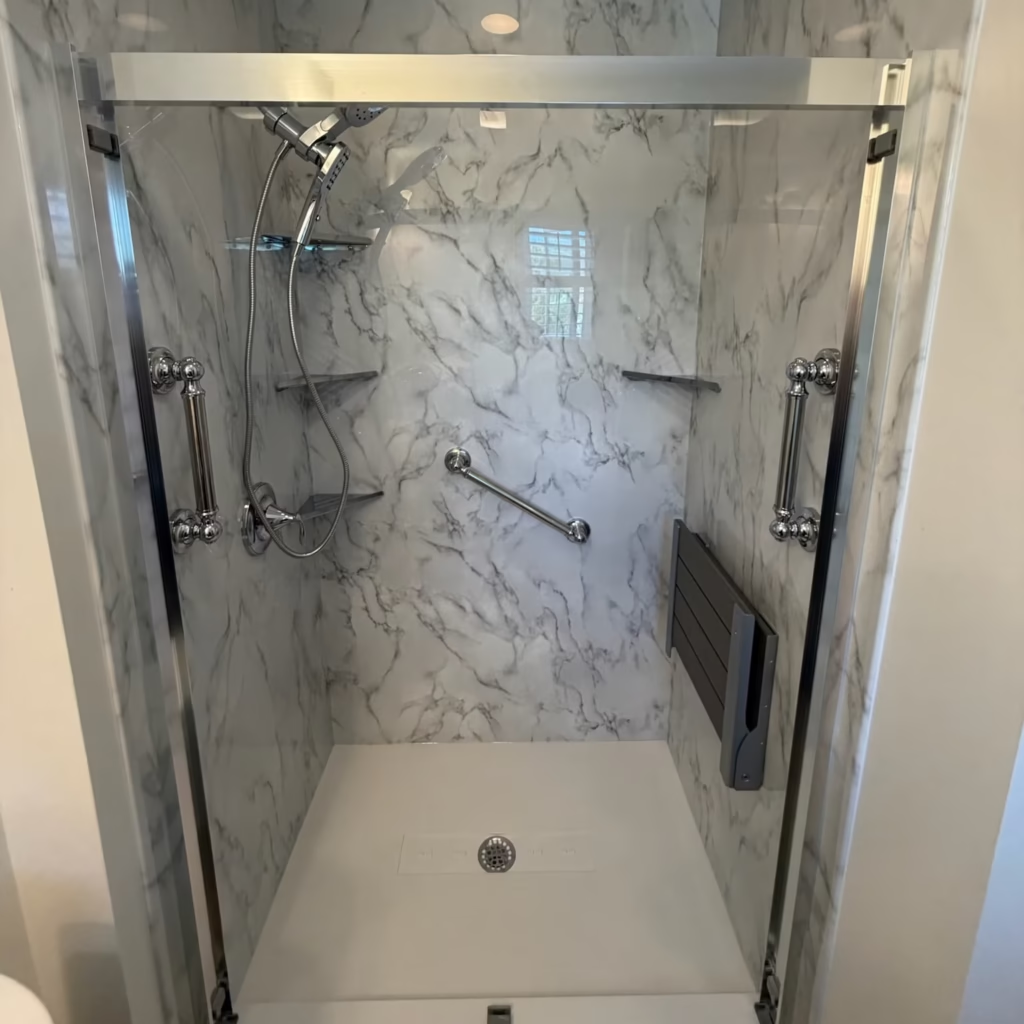
A wet room is a bathroom where the shower area isn’t sealed off in its own box. Instead, the floor is gently sloped toward a drain, the entire room (or a generous zone of it) is waterproofed, and tile or surfacing runs uninterrupted from the dry area straight into the shower. There’s no raised curb to step over and often no door at all — just a single open, continuous space.
Compare that to the setups most of us grew up with:
- A traditional tub/shower combo keeps everything contained behind a curtain or sliding doors, with a high tub wall to step over.
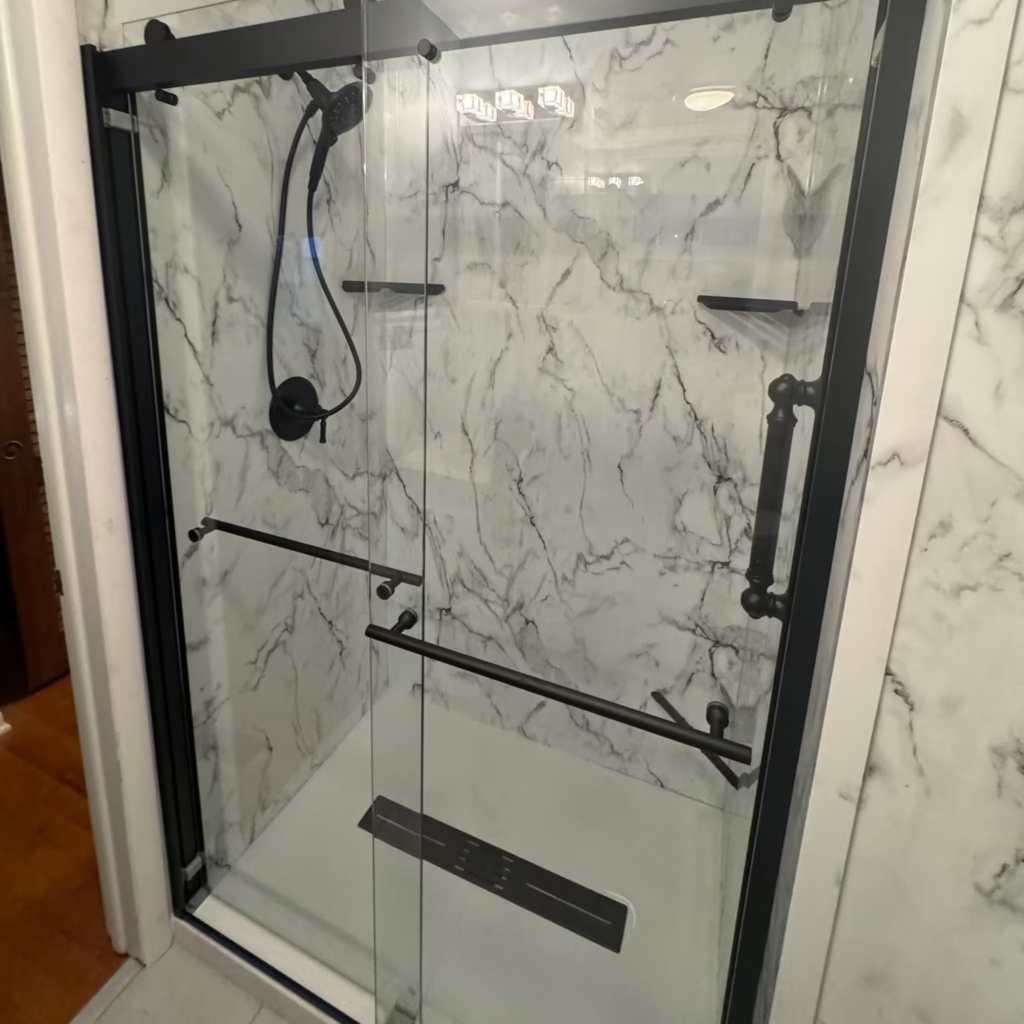
- A standard walk-in shower lowers that barrier but usually still has a curb — a small lip a few inches high that keeps water in the shower pan — plus a glass enclosure.
- A wet room removes the curb entirely. Water is managed by slope and drainage rather than by walls and barriers.
That single design change — going curbless — is what’s driving the trend. It’s also why wet rooms keep showing up on “what’s in for 2026” lists from designers across the country.
Why Wet Rooms Took Over in 2026
A few different currents came together at once.
They make any bathroom feel bigger. When there’s no curb and no enclosure breaking up the room, your eye travels across one continuous floor. Even a small or narrow bathroom reads as more open and brighter, because nothing is chopping the space into compartments. For the older, modestly sized bathrooms common in Central PA’s housing stock, that visual breathing room is a real benefit without adding a single square foot.
They’re genuinely easier to clean. Fewer corners, fewer tracks, no door channels collecting grime, and far less of the trapped moisture that breeds mildew. A continuous tiled or engineered-stone surface gives water nowhere to hide.
They double as a quiet accessibility upgrade. This is the part that doesn’t always get said out loud. A curbless, doorless entry means there’s nothing to trip over and nothing to navigate with a walker, a wheelchair, or just tired knees at the end of a long day. A growing share of homeowners are choosing wet rooms specifically because they want to stay in their homes comfortably as they age — and a wet room delivers that without looking like a medical retrofit.
They photograph beautifully and feel like a spa. The seamless, hotel-like flow is exactly the kind of calm, restorative look that’s defining bathroom design right now. Pair it with warm neutral tones and good lighting and you’ve got a space that feels like an escape rather than a utility room.
The Accessibility Angle Most People Miss
Here in Central PA, a lot of the conversations we have start with safety. Stepping over a tub wall or even a low shower curb is one of the most common ways people slip and fall at home — and bathrooms are already among the riskiest rooms for that.
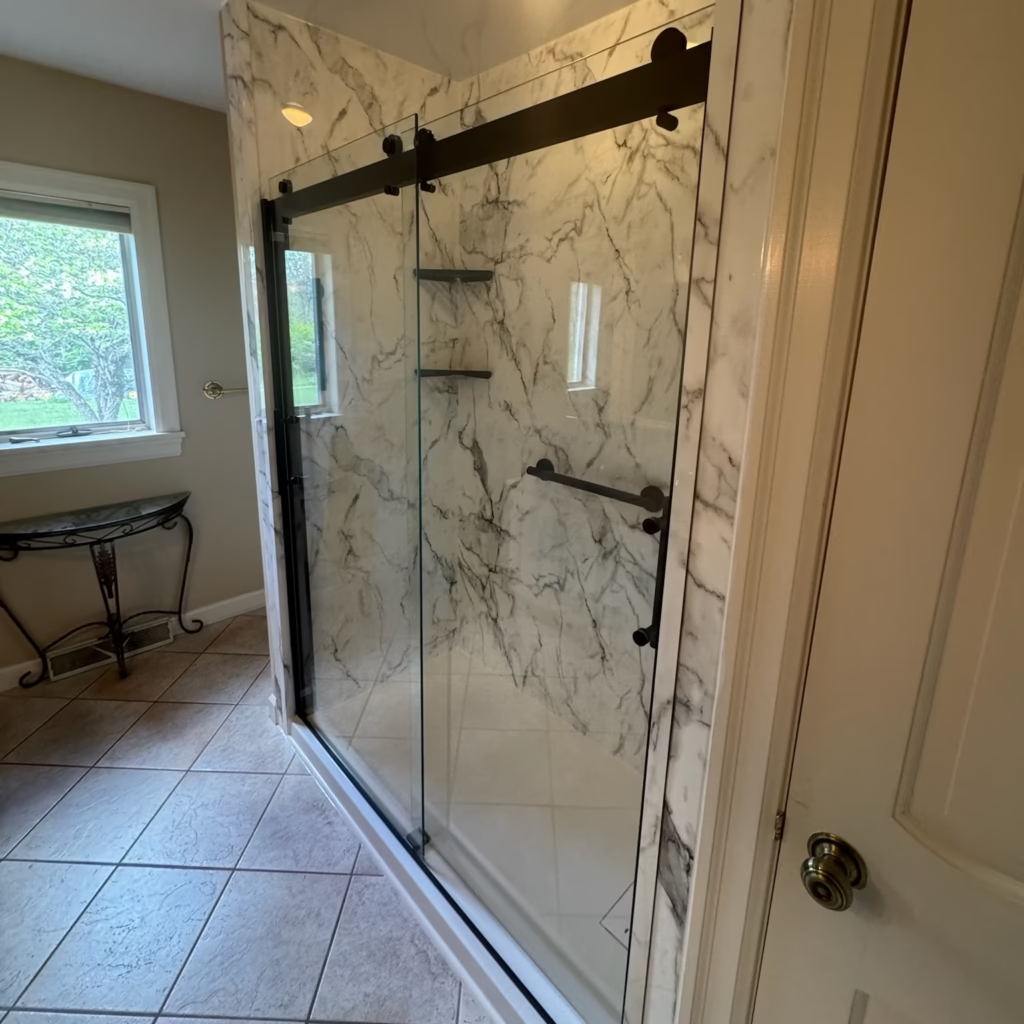
A wet room quietly solves the biggest part of that problem. With a true curbless entry, there’s no threshold to misjudge. Add the features we build into accessible showers anyway — slip-resistant flooring, built-in seating, well-placed grab bars, a handheld wand — and you get a space that’s safe for a 75-year-old and still looks like something out of a design magazine.
The beauty of doing it now, as part of a planned remodel, is that you’re not waiting for an emergency to force the issue. You’re building a bathroom that will serve you well for the next twenty years, and you get to enjoy how good it looks the whole time.
Wet Room vs. Walk-In Shower: Which One Is Right for You?
A wet room isn’t automatically the right answer for every home. Here’s an honest breakdown.
A wet room makes the most sense when:
- You want the most open, seamless look possible.
- Accessibility and aging-in-place are priorities now or in the near future.
- Your bathroom is on the smaller side and you want it to feel larger.
- You’re comfortable investing a bit more up front for the full waterproofing scope.
A more traditional walk-in shower (with a low threshold or glass enclosure) might be the better fit when:
- You want to keep splash and cold air contained to the shower zone.
- You’re working within a tighter budget.
- You prefer a defined shower space rather than a fully open room.
- Your existing layout makes full-room waterproofing impractical.
There’s no wrong answer here — it comes down to how you actually live in the space. A good remodeler should walk you through both and tell you honestly which one suits your bathroom, not just push the trendier option.
What Does a Wet Room Cost in Central PA?
This is the question everyone wants answered, so let’s be straight about it.
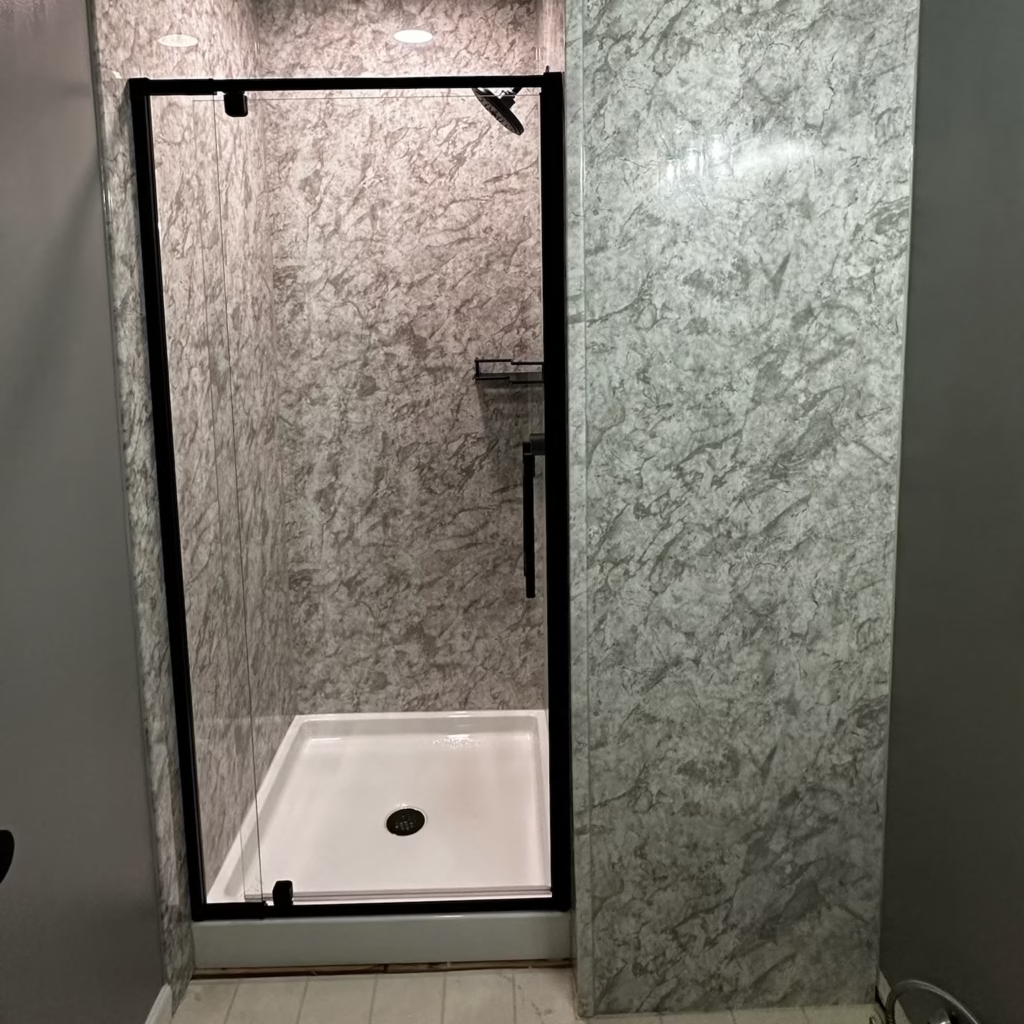
A wet room typically runs 20% to 30% more than a comparable standard shower remodel. The reason isn’t the drain — it’s everything around it. Because you’re waterproofing a much larger area and getting the floor slope, corners, and seams exactly right, there’s more material and more skilled labor involved.
That extra waterproofing work is also exactly why a wet room should never be a DIY or cut-rate job. Done correctly, it’s bulletproof for decades. Done poorly, water finds its way into the subfloor and walls, and you’re looking at mold and structural repairs that cost far more than the original project. This is the part of a bathroom you genuinely cannot afford to get wrong.
The good news: shower remodels remain one of the highest-return home improvements you can make, and the curbless, low-maintenance look is exactly what buyers respond to. If you ever do sell, a well-built wet room is a feature, not a question mark.
Every situation is different, which is why we always start with a free in-home consultation and give you real numbers based on real measurements — not a vague range pulled off the internet.
Making a Wet Room Work in an Older Central PA Bathroom
A lot of homes around here weren’t built with wet rooms in mind — and that’s fine. The two things that make or break the project are drainage and waterproofing, and both are solvable with the right approach.
A few things we pay close attention to:
- Drain placement and floor slope get locked in first, before any tile or surfacing is chosen. The pitch has to carry water to the drain reliably, every time.
- Waterproofing extends well beyond the shower zone, not just around the drain. In a true wet room, the protection has to cover the whole wet area and then some.
- Ventilation matters more, not less. An open, continuous wet space needs good airflow to dry out and stay healthy. We plan that in from the start.
- Non-porous, easy-clean surfaces like engineered stone are ideal here — they stand up to constant moisture, resist staining, and don’t give mildew the grout lines it loves.
None of this is exotic. It’s just careful, experienced work — which is the whole point of hiring a crew that does this every week instead of treating it as a weekend experiment.
Frequently Asked Questions
Is a wet room the same as a walk-in shower? Not quite. Every wet room is a kind of walk-in shower, but not every walk-in shower is a wet room. The defining feature of a wet room is that it’s curbless and the whole space is waterproofed, with the shower flowing seamlessly into the rest of the bathroom. Many walk-in showers still have a low curb and a glass enclosure.
Does the whole bathroom get wet? In a well-designed wet room, no — the floor slope and drain placement keep water moving where it should, and a glass partition or smart layout keeps the “dry” zone dry. The room is built to handle water everywhere, but that doesn’t mean the whole floor is soaked after every shower.
Are wet rooms good for small bathrooms? They’re often the best choice for small bathrooms. Removing the curb and enclosure opens up sightlines and makes the room feel noticeably larger without changing the footprint.
Is a wet room a good idea for aging in place? Yes — it’s one of the best. A curbless entry removes the trip-and-fall risk of stepping over a tub wall or curb, and it accommodates a seat, grab bars, and even wheelchair access while still looking modern and stylish.
Will a wet room add value to my home? Generally, yes. Curbless walk-in showers and clean, low-maintenance surfaces are among the upgrades buyers respond to most, and shower remodels consistently rank among the higher-return home improvements.
How long does it take to install? It depends on the scope, but many shower conversions and walk-in shower projects are completed in a matter of days. We’ll give you a realistic timeline during your consultation once we’ve seen the space.
Thinking About a Wet Room? Let's Talk.
The wet room trend isn’t just a 2026 fad — it’s the natural endpoint of everything bathrooms have been moving toward: open, easy to clean, safe to use, and beautiful to be in. For a lot of Central PA homeowners, it’s the upgrade that finally makes the bathroom feel like the best room in the house.
If you’re curious whether a wet room or a curbless walk-in shower would work in your home, we’d love to take a look. Our team will measure the space, talk through your options honestly, and give you real pricing — with no pressure and no obligation.
Schedule your FREE in-home design consultation today → Contact Signature Bath Solutions or call (717) 853-1764.
Proudly serving Mechanicsburg, Camp Hill, Harrisburg, Lancaster, York, Reading, Carlisle, Hershey, Lebanon, Gettysburg, and communities throughout Central Pennsylvania.
